Recent Blog Posts

March 12, 2026
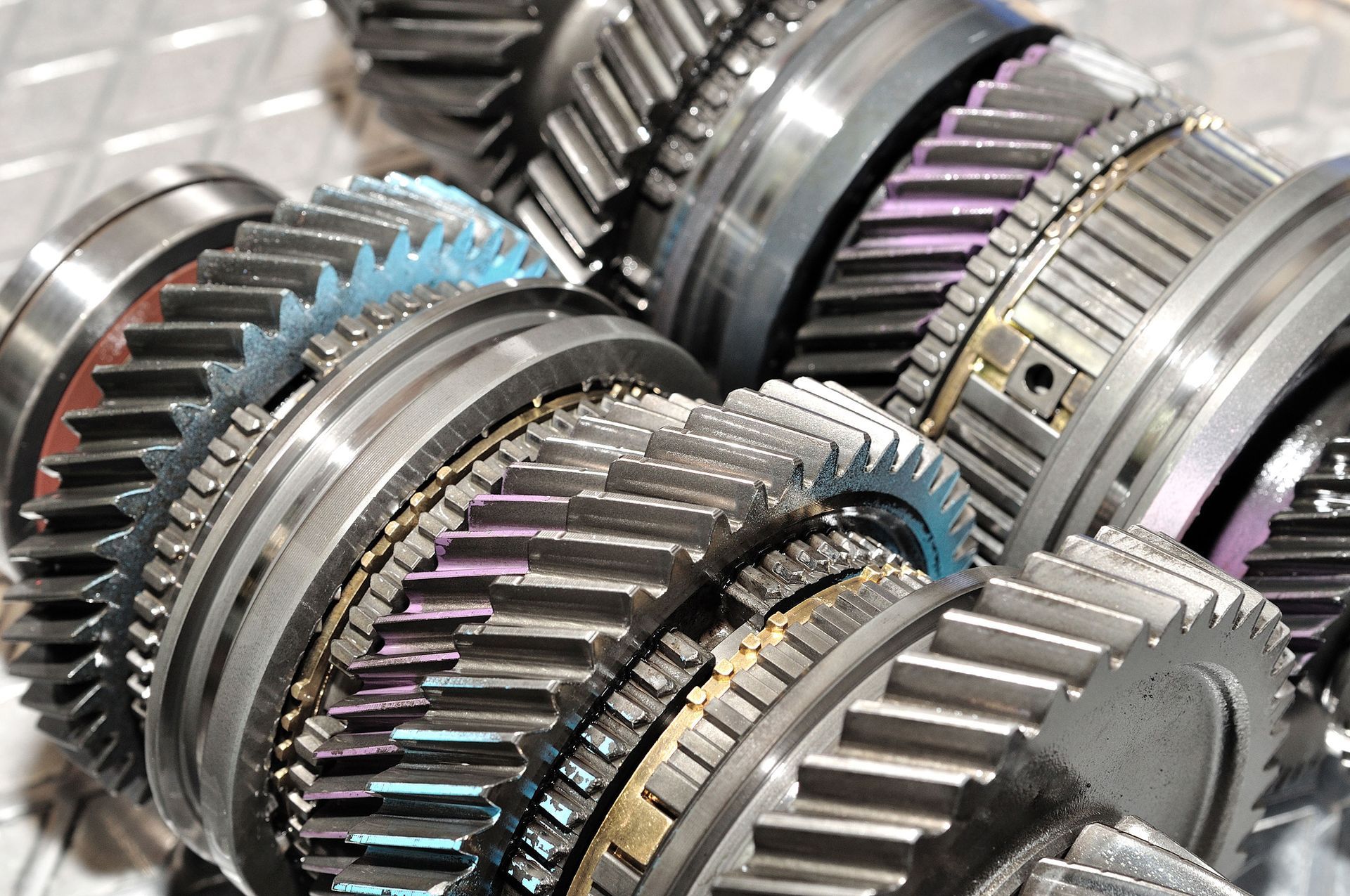
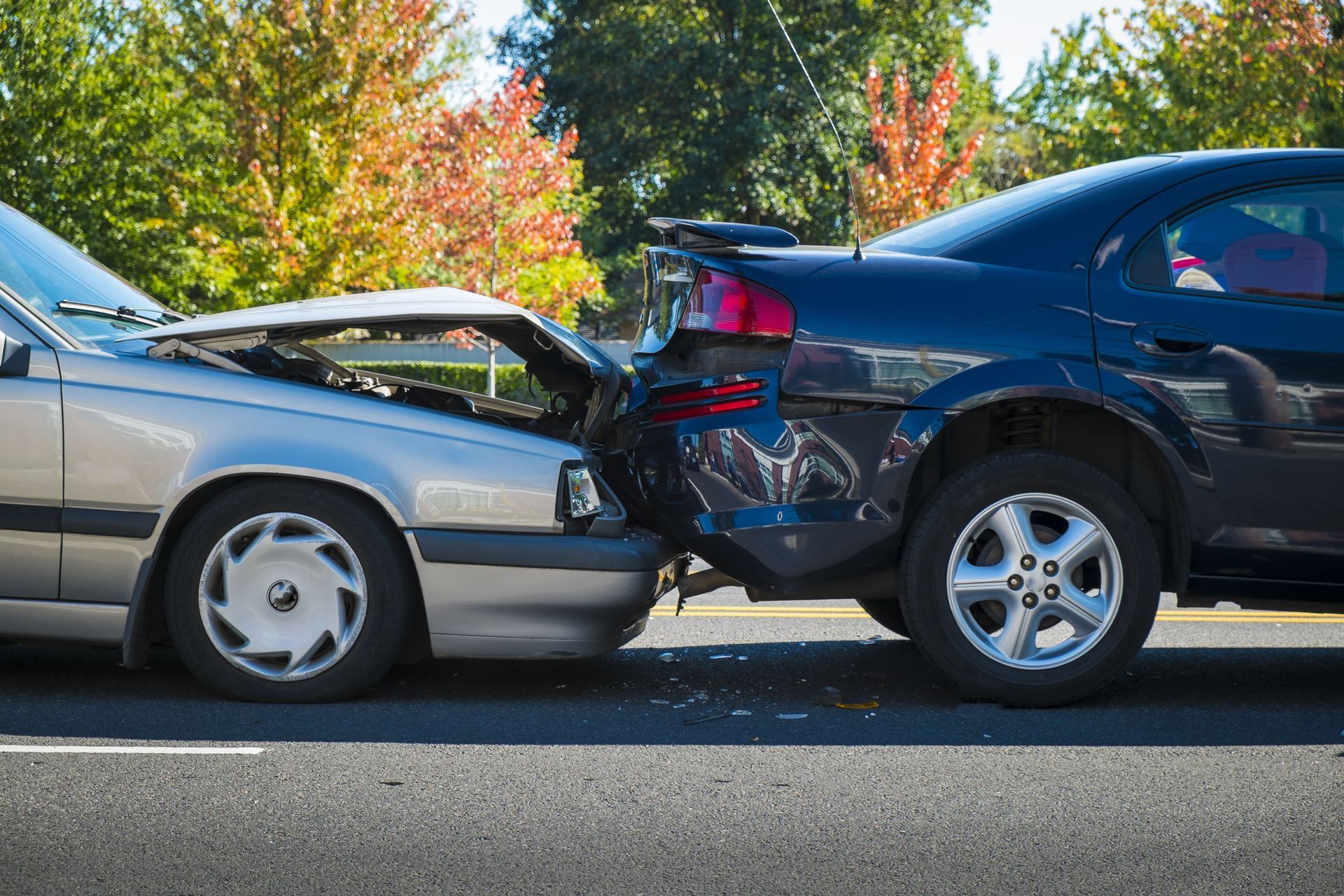
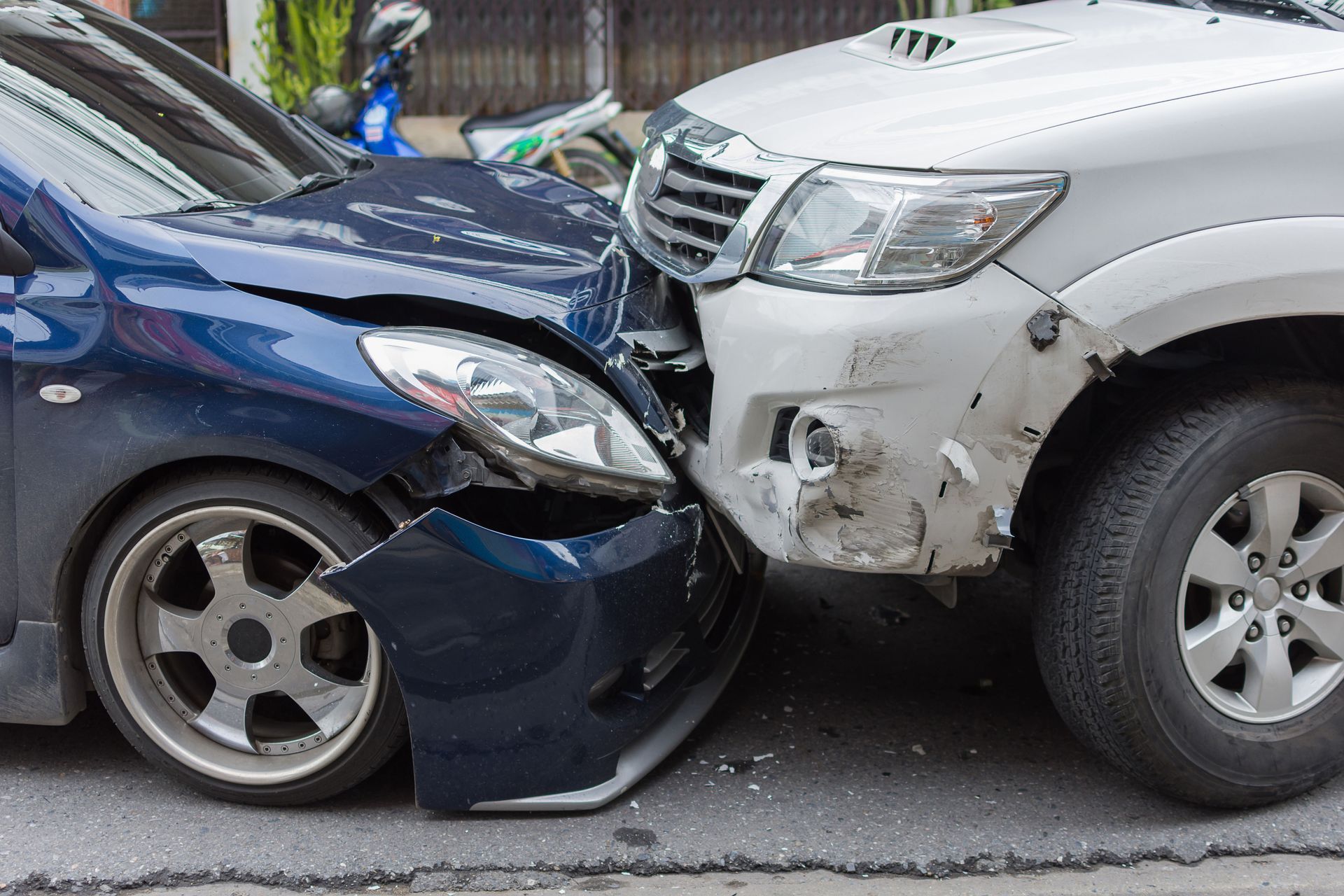
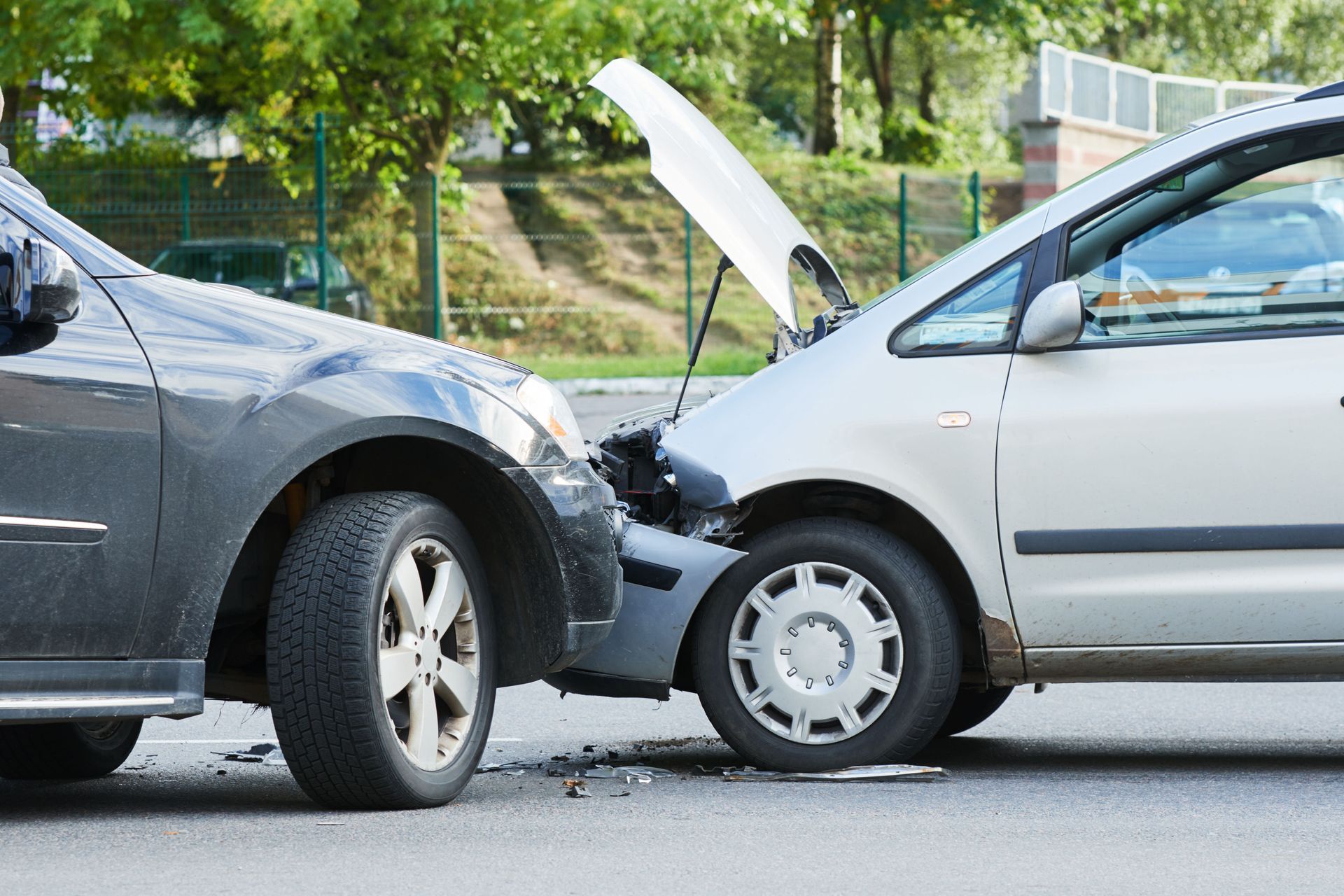
Mechanical systems power modern life — from vehicles and industrial machinery to elevators and aircraft. When one of these systems fails, the consequences can range from inconvenient to catastrophic. Determining exactly why a failure occurred requires technical precision, investigative skill, and legal awareness. That’s where a forensic consulting service becomes essential. Forensic engineers specialize in uncovering the root causes of mechanical failures. Their work influences legal outcomes, insurance claims, safety regulations, and future design improvements. Below, we explore how these experts methodically determine the causes behind mechanical breakdowns and structural failures. Understanding Mechanical Failure in Modern Systems Mechanical failure can occur in vehicles, industrial equipment, consumer products, and large infrastructure systems. When it does, the consequences are often serious — ranging from property damage to catastrophic injury. According to Consumer Shield, annual car crashes in the United States range from over 5 million to over 6 million. Within that staggering number are incidents where mechanical defects, component fatigue, or improper maintenance may have played a role. Determining exactly what happened requires technical precision, analytical discipline, and legal awareness. This is where a professional forensic consulting service becomes indispensable. Forensic engineers are trained to uncover not only how a component failed, but why it failed, whether the failure was predictable, and who may bear responsibility. Their work bridges engineering science and legal standards, ensuring that conclusions are defensible, evidence-based, and clearly documented. Examining Failure Modes and Mechanical Behavior Before identifying a cause, forensic engineers must understand the type of failure involved. Mechanical breakdowns typically fall into categories such as fatigue failure, overload failure, wear-related deterioration, corrosion, manufacturing defects, or design deficiencies. Each mode leaves behind distinct physical evidence. Fatigue failures develop over time due to repeated cyclic loading, often producing microscopic cracks that gradually expand until a sudden fracture occurs. Overload failures, by contrast, result from forces exceeding a component’s design capacity, leading to abrupt breakage or deformation. Wear-related failures arise from friction, abrasion, or inadequate lubrication. A forensic consulting service carefully evaluates these distinctions because identifying the mode of failure establishes the investigative direction. Engineers analyze stress-strain relationships, material properties, and environmental influences. They consider how elasticity, plasticity, brittleness, and tensile strength affect a component’s structural integrity under real-world conditions. Understanding these engineering fundamentals is critical to determining whether the failure was inevitable, preventable, or caused by negligence. Conducting Thorough Site Inspections and Evidence Collection The investigative process often begins at the scene of the incident. A site inspection provides essential context. Engineers observe the position of failed components, surrounding environmental conditions, and any secondary damage patterns. Photographs, measurements, and physical samples are collected methodically. The integrity of evidence handling is crucial. Damaged parts may be preserved for laboratory testing, while maintenance records, operational logs, and repair histories are secured for review. Witness statements can also provide valuable insight into unusual noises, vibrations, or performance changes before the failure occurred. A reputable forensic consulting service treats this stage with exceptional care, as early observations often reveal patterns that later testing confirms. Even subtle clues — such as fracture coloration or deformation shape — can point investigators toward fatigue progression, corrosion activity, or sudden overload. Applying Advanced Analytical and Laboratory Techniques After evidence is gathered, forensic engineers turn to scientific analysis. Laboratory testing and simulation tools allow investigators to reconstruct events with precision. Finite element analysis, stress modeling, and computer simulations replicate the mechanical conditions leading up to failure. Material analysis plays a particularly important role. Techniques such as metallography and microscopic fracture examination help determine whether impurities, improper heat treatment, or manufacturing inconsistencies contributed to the breakdown. Fractography — the study of fracture surfaces — can reveal crack initiation points and propagation patterns, distinguishing between long-term fatigue and sudden impact. Non-destructive testing methods, including ultrasonic testing and radiography, may be used to identify hidden internal defects. In some cases, destructive testing is required to evaluate tensile strength or impact resistance. By combining these methods, a forensic consulting service develops a scientifically grounded explanation that connects physical evidence with engineering theory. Reconstructing Events Through Testing and Replication One of the most powerful investigative tools is replication. Engineers attempt to recreate the conditions under which the failure occurred. Controlled experiments may involve applying similar loads, temperatures, or environmental exposures to comparable components. When replication produces similar fracture patterns or deformation characteristics, it strengthens the validity of the hypothesis. If replication fails to reproduce the damage, engineers reassess assumptions and refine their analysis. This iterative process continues until the evidence aligns consistently. A forensic consulting service uses replication not only to confirm causation but also to evaluate whether alternative explanations are plausible. This rigorous methodology ensures conclusions are defensible in court and credible to insurers, manufacturers, and regulatory agencies. Identifying Root Cause Through Data Correlation Mechanical failures rarely stem from a single isolated factor. Often, multiple variables contribute to the outcome. Forensic engineers correlate data from site inspections, laboratory tests, maintenance histories, and simulation results to form a comprehensive understanding. Root cause analysis distinguishes between primary and secondary contributors. For example, a fractured bolt may have failed due to metal fatigue, but the fatigue itself may have resulted from improper torque during installation. In another case, a design miscalculation may have placed recurring stress on a component never intended to bear that load. A forensic consulting service carefully separates correlation from causation. The objective is not merely to describe what broke, but to determine why it broke and whether the failure was foreseeable. This distinction carries significant implications for liability and future prevention. Interpreting Findings for Legal and Safety Impact Forensic engineers frequently operate within legal contexts. Their conclusions may influence litigation, insurance claims, arbitration, or regulatory compliance reviews. As such, findings must be presented clearly, logically, and without speculation. Comprehensive reports detail the methodology used, the evidence examined, and the reasoning behind each conclusion. Photographs, diagrams, laboratory results, and simulation data support the final determination. When necessary, engineers provide expert testimony to explain complex mechanical principles in understandable terms. A qualified forensic consulting service understands that clarity and objectivity are as important as technical expertise. The credibility of the investigation depends on transparent documentation and adherence to recognized engineering standards. Recommending Design Improvements and Preventive Measures Beyond determining liability, forensic engineering plays a vital role in prevention. Once the root cause is identified, engineers recommend corrective actions to reduce the likelihood of recurrence. These may include design modifications, material substitutions, improved manufacturing controls, or enhanced inspection procedures. Maintenance protocols are frequently revised following a failure investigation. More frequent inspections, better lubrication practices, or improved torque verification procedures can significantly extend component life. In some industries, forensic findings influence regulatory updates and industry-wide safety standards. A forensic consulting service does not stop at identifying failures; it also helps advance safer engineering practices. By transforming lessons learned into practical improvements, forensic engineers help protect both businesses and the public. Delivering Expert Analysis Through Thomas Lepper Associates Mechanical failures can be complex, high-stakes events with legal, financial, and safety consequences. Determining their true cause requires disciplined methodology, advanced analytical tools, and deep engineering knowledge. From initial site inspection to laboratory testing and final report preparation, every step must withstand scrutiny. When clarity and expertise matter most, partnering with an experienced forensic consulting service ensures that investigations are thorough, objective, and defensible. If you require mechanical failure analysis backed by decades of engineering insight, contact Thomas Lepper Associates today. Our specialized forensic consulting service delivers the rigorous investigation and expert conclusions you need to move forward with confidence.

Forensic Consulting Services

AZ, CA, CO, NV, OR, UT, and WA

Open Consultation on Any Questions 

Accessible Anytime 

Professional Affiliations and Licenses

Contact Us

Hero Request Form

Experienced Forensic Consulting You Can Trust


Thomas Lepper Associates brings unparalleled expertise to the courtroom, offering expert witness and testimony services that can make or break your case. With over three decades of experience, we've become the trusted name in automotive forensics and analysis. We understand that every case is unique, which is why we offer complimentary consultations to discuss any questions you might have. There's no obligation – we're here to support you without requiring a commitment. The expert's accessibility is available during business hours, ensuring you have the expert backing you need when you need it most.

We understand that every case is unique, which is why we offer complimentary consultations to address your questions and discuss your specific circumstances. There is no obligation — our goal is to provide clarity and guidance so you can make informed decisions. Our team is available during regular business hours to ensure you have reliable, professional support when you need it most.

Text START to to begin receiving offers by text.

Msgs may be autodialed. Consent to texts not required to purchase our svcs. Msg. and data rates may apply.

Text Now!

Why Choose Thomas Lepper Associates


Access Anytime

Family-Owned

Support Without Commitment

Open Consultation on Any Questions

Over 30 Years of Consulting Experience

Professional Affiliations and Licenses

Two men in suits shaking hands, symbolizing a deal.
Speaker at a podium with speech bubble showing an eye.

Specialties

While we highlight several key areas of practice, our experience extends well beyond those examples. Our firm handles a wide range of legal matters and tailors our approach to the specific needs of each client. Regardless of the complexity or nature of your case, we are prepared to provide comprehensive legal guidance and representation.

Black computer monitor with a window, information symbol, gear, and upload arrow.

Crash Data Retrieval System

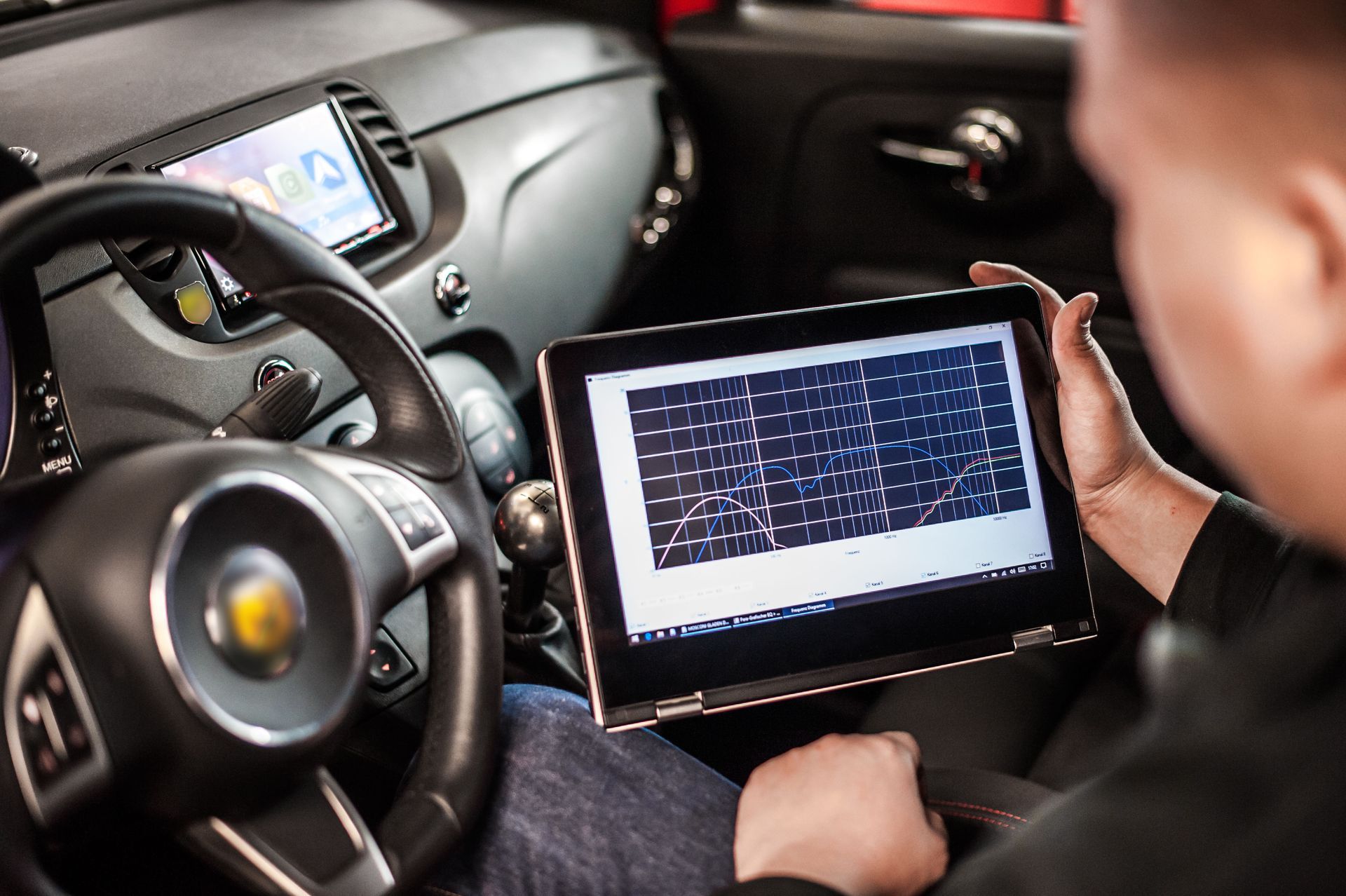
Our Crash Data Retrieval (CDR) capabilities are second to none. We utilize state-of-the-art CDR tools to download and analyze crucial data from vehicle event data recorders. This information can provide invaluable insights into the moments leading up to an accident, helping to reconstruct events and determine liability.
Hand holding a briefcase.

Careers

We're always on the lookout for talented individuals to join our tea. If you're passionate about automotive forensics and have expertise in areas like steering and suspension systems, automatic and manual transmissions, or impact damage analysis, we'd love to hear from you. A career with us means being at the forefront of automotive expert witness services.

Black heart on a white background.

Careers

We're always on the lookout for talented individuals to join our team at Thomas Lepper Associates. If you're passionate about automotive forensics and have expertise in areas like steering and suspension systems, automatic and manual transmissions, or impact damage analysis, we'd love to hear from you. A career with us means being at the forefront of automotive expert witness services.
Black heart on a white background.

Small Title 6

Lorem ipsum lorem ipsum  lorem ipsum  lorem ipsum  lorem ipsum  lorem ipsum  lorem ipsum  lorem ipsum  lorem ipsum  lorem ipsum  lorem ipsum  lorem ipsum  lorem ipsum

Three overlapping speech bubbles with dots, suggesting conversation.

Here's what our satisfied customers are saying...

At   Thomas Lepper Associates, we take pride in providing exceptional forensic consulting to our customers. We would be grateful if you could share your thoughts about our business with others. Your feedback helps us improve and helps others make informed decisions. Please take a moment to leave a review of Thomas Lepper Associates and let others know what you think.

Frequently Asked Questions

Selecting the right forensic consulting partner can feel overwhelming, especially when your case hinges on understanding highly technical automotive details. Many clients come to Thomas Lepper Associates with important questions about how investigations are handled, what the process looks like behind the scenes, and how mechanical findings ultimately support legal strategy. Whether you're preparing for litigation, evaluating a potential claim, or simply looking for guidance, these answers are designed to help you feel informed and supported from the very beginning.

  • What should I expect during a vehicle or component inspection?

    Inspections are thorough, structured, and guided by proven forensic techniques. A mechanical failure consultant in CA will examine relevant systems, verify mechanical integrity, document wear or damage, and note any unusual findings. Clients are often surprised by how methodical the process is. Each detail is photographed, measured, or recorded to ensure the final assessment is both accurate and defensible. You will also receive updates throughout the inspection so you understand what is being examined and why certain components may require special attention.

  • How are technical findings translated into information I can use for my case?

    Once the inspection and analysis are complete, the findings are explained in clear, accessible language. A mechanical failure consultant in CA focuses on breaking down technical concepts into understandable explanations, making it easier for attorneys, insurers, and clients to apply the information directly to their case strategy. Whether the mechanical issue supports your claim, contradicts it, or helps refine your argument, the explanation will be structured so you can confidently use the information in negotiations or testimony.

  • What role does a forensic consultant play in pre-litigation discussions?

    Before a case moves toward formal litigation, attorneys often need guidance to determine whether pursuing the matter is worthwhile. A mechanical failure consultant in CA provides early evaluations that can clarify whether a mechanical defect or performance issue may have meaningfully influenced the situation. This input helps clients assess potential outcomes, saving valuable time and resources.

  • Can you help me understand whether additional testing or analysis is necessary?

    Yes. Additional testing is recommended only when it adds meaningful insight. A mechanical failure consultant in CA evaluates whether further examination of components, system behavior, or environmental factors will strengthen the case. This ensures that clients invest only in the testing that will truly support their goals—never more than what is needed.

  • How do you handle highly technical disputes between multiple parties?

    In cases with several involved parties, technical disagreements can become complicated. A mechanical failure consultant in CA compares each party's claims against the physical evidence, identifying which interpretations are grounded in mechanical reality. This process helps clarify disagreements and often leads to more productive discussions, whether in mediation or litigation.

  • What level of detail should I provide before scheduling a consultation?

    Only general information is needed at the start. A mechanical failure consultant in CA can guide you through what details may become relevant later in the process. The initial conversation is not about having every document ready; it's simply about understanding the nature of your concern and determining whether the firm's expertise aligns with your needs.

  • How do you keep clients updated throughout the investigation process?

    The firm prioritizes consistent communication. As the investigation progresses, a mechanical failure consultant in CA provides updates, explains new discoveries, and discusses how each piece of information could shape the overall direction of the case. You will never be left wondering about the status of your investigation.

  • What happens if new information becomes available mid-case?

    If new evidence—such as photos, reports, or access to the vehicle—becomes available, it is incorporated into the ongoing analysis. A mechanical failure consultant in CA reassesses earlier conclusions when necessary to ensure accuracy. This adaptability ensures the final findings reflect the most comprehensive view of the situation.